
Private Deepwater Access
Our History
The Roots of Bull Point: A Short History of the Land We Love
A Timeless Legacy in the South Carolina Lowcountry
Bull Point Plantation stands as a tribute to centuries of Southern heritage, deep-rooted land stewardship, and an enduring connection to the Lowcountry's natural beauty. From the native tribes who first inhabited this land to the thoughtful development of a private residential community, Bull Point's story is interwoven with the larger narrative of the American South.
Origins: Native Inhabitants and Early Exploration
Long before European colonists arrived, the upper reaches of the Port Royal Sound were home to native peoples, predominantly the Yemassee. Other tribes, including the Iguana, Oconee, Cusabo, Guale, Tomotly, and Creeks, also inhabited the region. Two major Yemassee communities—Pocotaligo and Salkehatchie—flourished in the area that now includes Bull Point.
Key Facts:
- Rich cultural and ecological knowledge shaped the landscape for centuries.
- Tidal creeks, forests, and freshwater resources sustained thriving indigenous communities.
Colonial Era: Defense and Plantation Economy
Beaufort, founded in 1711, became a strategic settlement protecting the southern frontier of colonial America. Before its formal establishment, colonists began raising cattle and pork for export, eventually expanding into rice and corn plantations.
Sheldon and Tomotley Plantations:
- In 1698, Landgrave Edmond Bellinger was granted 13,000 acres, creating Tomotley Plantation.
- Around the same time, William Bull acquired 6,000 acres, founding Sheldon Plantation.
William Bull became a key colonial figure, serving as a military leader in the Yemassee Wars and later as Lieutenant Governor of South Carolina. He is buried at Old Sheldon Church, originally Prince William Parish Church, built in 1751 just three miles north of today’s Bull Point.
18th & 19th Centuries: Prosperity
For much of the 18th and 19th centuries, Lowcountry plantations thrived economically. The Civil War and the end of slavery marked a profound transformation across the region.
Reconstruction and Renewal:
- The Port Royal Experiment showcased early efforts at Black land ownership and education.
- The Penn Center, established during this era, remains a beacon of African American cultural history.
20th Century: Retreats and Revival
As the plantation economy waned, the Lowcountry drew attention from Northern industrialists who sought winter retreats and hunting lands. Both Tomotley and Bull Point lands became part of this trend.
- By the 1950s, Tomotley Plantation was owned by the family behind Singer Sewing Machines.
- These lands were cherished for their natural beauty and seclusion.
1995 and Beyond: The Birth of Bull Point Plantation
In 1995, the heirs of the Singer family sold 700 acres of Bull Point land to Stancel Kirkland and Bob Wolfson. With a vision rooted in preservation and quality, they began developing Bull Point as a private, gated community that respected the land’s historic and ecological integrity.
Key Milestones:
- 1995: Land acquisition and community vision established.
- Late 1990s-2000s: Amenities such as the clubhouse, River Cabin, and trail systems are introduced.
- Ongoing: Continued growth guided by architectural harmony and land preservation.
Honoring the Past, Embracing the Future
Today, Bull Point Plantation honors its deep roots while offering a lifestyle of quiet luxury and community connection. With scenic landscapes, historical landmarks nearby, and a culture of stewardship, Bull Point remains a living chapter of the Lowcountry story.
Explore the land where history still whispers through live oaks and tides. This is Bull Point Plantation—timeless, tranquil, and deeply Southern.
Extensive Nature Trails and Green Spaces
Low-Density, Gated Community
Architectural Harmony & Preservation
The Roots of Bull Point
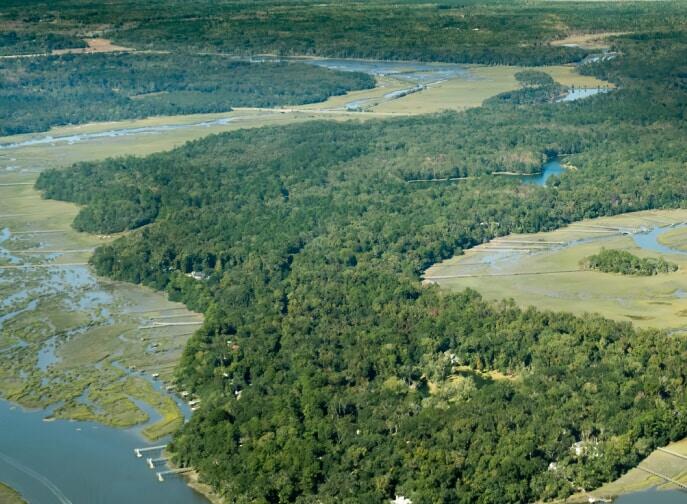
Nestled along the picturesque tidal rivers and centuries-old oaks of South Carolina's Lowcountry, Bull Point has grown from historic land into a vibrant community. Every path, pond, and home here reflects a shared commitment to preserving the environment, embracing neighborliness, and living with purpose.
Our roots go deep, and our story continues to grow — shaped by those who call this special place home.
What Makes Bull Point Unique
- Protected green spaces, parks, and nature trails
- Deepwater access and private riverfront amenities
- A close-knit, engaged community
- Timeless architecture in harmony with the landscape
- Strong commitment to conservation and quiet living
A resort-style pool overlooks the waterfront, accompanied by a pool house and hot tub. Sports enthusiasts can enjoy pickleball and tennis courts, while those craving a retreat-style gathering often indulge in the scenic surroundings at the River Cabin positioned on the point overlooking the Huspah or Magnolia Island, a private island tucked away with an Oyster Pavilion, grilling area, fire pit, screened gazebo, and Tiki hut.

Rooted in Legacy, Built for Life
At Bull Point Plantation, every detail — from winding trails to thoughtfully designed homes — reflects a deep respect for the land's heritage and a vision for intentional living.
This is a place where nature isn't just nearby — it's part of your everyday rhythm. Whether you're kayaking at sunrise or sharing a quiet evening under the oaks, Bull Point feels like the way life was meant to be lived.
Our Philosophy